All-in-One Database Course: SQL, MySQL, PostgreSQL & MongoDB Explained-100%oFF Coupon
Overview
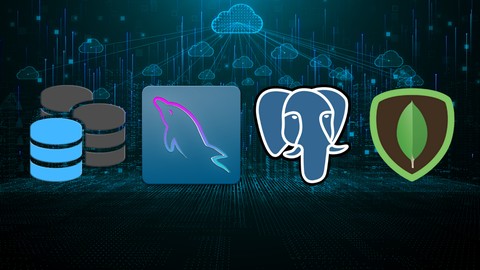
This course is designed for learners who want a clear, unified introduction to both relational and NoSQL databases. Instead of focusing on a single technology, it brings together SQL fundamentals, MySQL and PostgreSQL workflows, and MongoDB concepts in one place.
The learning style is straightforward and practical, making it suitable for beginners while still covering enough ground to help learners understand how different database systems compare and where each one fits in real projects.
Course Snapshot
- Instructor: Sara Academy
- Students enrolled: 37,633
- Content length: ~6 hours
- Difficulty level: Beginner to early-intermediate
- Language: English (Auto captions available)
- Certification: Included
- Access: Lifetime (mobile & TV supported)
What This Course Actually Covers
Rather than deep theory, the course focuses on practical database operations across four popular systems:
- Core SQL syntax used across most relational databases
- Hands-on table creation, data insertion, updates, and deletions
- Understanding how MySQL and PostgreSQL differ in structure and usage
- Working with MongoDB for document-based data storage
- Practical querying patterns used in everyday development work


Skills & Concepts You’ll Work With
Relational Database Foundations
- Writing SQL queries using
SELECT,WHERE,ORDER BY, and logical operators - Performing data manipulation with
INSERT,UPDATE, andDELETE - Using aggregate functions such as
COUNT,SUM,AVG,MIN, andMAX - Grouping and filtering results for analysis
MySQL Essentials
- Creating databases and tables
- Working with primary keys and foreign keys
- Managing dates, views, and basic table relationships
PostgreSQL Basics
- Table creation and data modification
- Query limits, operators, and aggregations
- Applying common PostgreSQL functions in real queries
MongoDB & NoSQL Concepts
- Creating and managing databases and collections
- Finding, updating, and deleting documents
- Indexing and data validation
- Using MongoDB Data API and charts
Who This Course Is Best Suited For
- Beginners learning databases for the first time
- Students studying backend or full-stack development
- Developers who want exposure to both SQL and NoSQL systems
- Learners preparing for technical interviews involving databases
- Anyone looking for a compact overview rather than a deep specialization
Common Questions Learners Ask
Do I need prior database experience?
No. The course starts from the basics and explains concepts step by step.
Is this course more theory-based or practical?
It focuses on practical queries and operations rather than database internals.
Will this help me understand the difference between SQL and NoSQL?
Yes. By covering both relational databases and MongoDB, the course highlights where each approach is used.
Is this enough for advanced database roles?
It’s best viewed as a foundation or refresher. Advanced optimization and large-scale design are not the main focus.
Can I apply this knowledge to real projects?
Yes. The operations taught reflect common tasks used in everyday development work.
Practical Value
What makes this course useful is its comparative approach. Instead of learning databases in isolation, learners see how similar operations work across SQL, MySQL, PostgreSQL, and MongoDB. This broader perspective helps reduce confusion when switching between different database systems in real projects.
Final Thoughts
If you’re looking for a single course to understand how modern databases work—both relational and NoSQL—this all-in-one training provides a clear and accessible starting point. It’s especially useful for beginners who want exposure to multiple database technologies without committing to a long, specialized program.
Affiliate Disclaimer: Some links in this post may be affiliate links. This means we may earn a small commission at no extra cost to you. These commissions help support the site — thank you for your support!